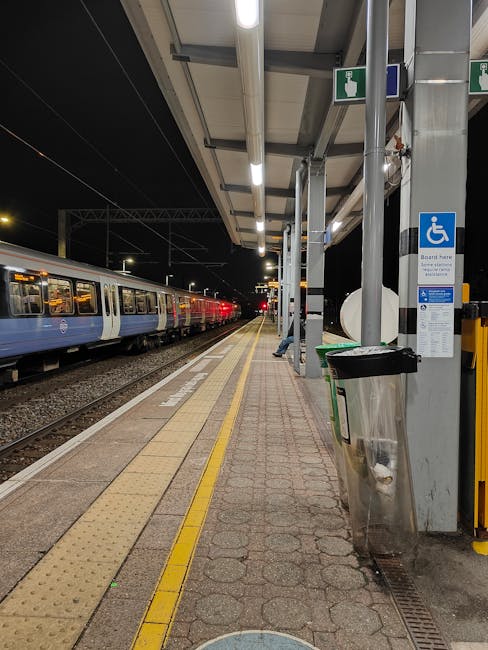
Lewisham Station rubbish removal service times and tips
If you are trying to sort out Lewisham Station rubbish removal service times and tips, the real challenge is usually not the rubbish itself. It is the timing. Trains are busy, pavements fill up quickly, and a badly planned collection can turn a simple job into a stressful shuffle of bags, boxes, and apologies. That is especially true around a station area where footfall changes by the hour.
This guide breaks the subject down in plain English. You will find out when rubbish removal tends to work best near Lewisham Station, what to prepare before a collection, how to avoid delays, and which removal options make the most sense for different loads. I will also cover safety, compliance, common mistakes, and a few practical tips that save time on the day. Truth be told, a little planning makes all the difference.
Why Lewisham Station rubbish removal service times and tips Matters
Service times matter more around Lewisham Station than they do in a quiet residential cul-de-sac. That is just the reality of it. Near a transport hub, every minute of a collection affects access, parking, pedestrian movement, and sometimes even the mood of the whole street. If a team arrives at the wrong time, they may struggle to park, block a loading area, or end up working around commuters and traffic instead of alongside them.
For residents, landlords, shop owners, and office managers, good timing can be the difference between a clean, efficient clearance and a messy half-day. You want the removal to happen when staff can move items safely, when building access is easiest, and when the least number of people are in the way. That means thinking beyond just "morning or afternoon" and looking at the actual rhythm of the area.
A station-adjacent job also tends to involve mixed waste. One person is clearing out packaging from a delivery, another is getting rid of old office chairs, and someone else is dealing with flat clearance items after a tenancy change. Those situations need different handling, different sorting, and sometimes different vehicles. The wrong timing can make all of that harder.
There is also a customer comfort angle. If you have ever tried to drag a mattress through a narrow entrance while a train of commuters streams past, you will know the feeling. Not ideal. Not even close.
How Lewisham Station rubbish removal service times and tips Works
Rubbish removal near a station usually follows a simple pattern: assess the waste, choose a collection window, prepare access, and load everything efficiently. The details are where the job succeeds or stalls.
Most services start with a quick description of the waste type and volume. That might be a few black bags, a broken wardrobe, builders' offcuts, or mixed household items. From there, the provider plans the collection around access conditions and likely traffic. If the route to the property is awkward, if there is no lift, or if parking is tight, those factors shape the service time more than people expect.
In practice, early slots often work well for station areas because the pavement is clearer and parking is a bit easier. Midday can be fine too for smaller jobs, although it depends on how busy the street is. Late afternoon can be trickier because of commuter flow and deliveries. In other words, the right time is not always the most obvious one.
Good rubbish removal also depends on preparation. Waste should be grouped by room or by type where possible. Fragile items should be separated. Anything sharp, leaking, or awkward to lift should be flagged in advance. That sounds basic, but it stops a lot of day-of confusion. And yes, that little bit of sorting can save a surprising amount of time.
If you are organising a broader property clearance as well, it can help to look at related services such as house clearance, flat clearance, or general waste removal so the collection matches the amount and type of rubbish properly.
Key Benefits and Practical Advantages
Getting the timing right does more than make the job easier. It reduces friction in a dozen small ways that add up fast.
- Less disruption: early or off-peak collections usually mean fewer people around, which helps with access and keeps things calm.
- Faster loading: when the route is clear and the waste is sorted, the team can work methodically instead of stopping and starting.
- Lower risk of damage: fewer bumps into walls, doors, and railings. That sounds minor until it is your hallway.
- Better compliance: separating waste types makes responsible disposal easier, especially for items that need special handling.
- More accurate quoting: when you describe the job properly, you are more likely to get a realistic price and a realistic timeslot.
There is also a less obvious benefit: peace of mind. If the removal is scheduled at a sensible time, you can get on with your day without hovering by the window wondering whether the van will appear before lunch. Small mercy, but a real one.
For people dealing with bulky household items, it may be worth checking related pages like furniture disposal or mattress and sofa disposal because these items often need extra care and planning.
Who This Is For and When It Makes Sense
This topic matters for a fairly wide group of people. In Lewisham, that includes residents moving house, landlords between tenancies, office managers clearing a workspace, shop owners after a refit, and tradespeople dealing with leftover materials. If the job involves a station area, timing becomes even more important because the environment is more active than a typical side street.
It makes sense to think about rubbish removal service times when:
- you have items that need carrying through shared entrances or narrow stairwells
- parking is limited or controlled
- you expect a lot of pedestrian traffic near the property
- the waste includes heavy or awkward items
- you need the place cleared before cleaners, decorators, or new occupants arrive
- you want to reduce noise and disruption for neighbours or nearby businesses
Some of the most common cases are boring in the best possible way. A small office needing a few broken desks removed before the end of the week. A tenant leaving behind bags and a chair. A family emptying a loft after years of "we'll deal with it later". That later moment has a way of arriving, doesn't it?
If your job involves a specific type of waste, the site's specialist pages can help you plan the right approach, such as garage clearance, loft clearance, or garden clearance.
Step-by-Step Guidance
Here is a simple way to organise rubbish removal near Lewisham Station without turning it into a faff.
- List the waste clearly. Write down what needs going, how many bags or items there are, and whether anything is especially heavy, fragile, or bulky.
- Check access before booking. Think about stairs, lift access, parking, loading space, and whether the route to the collection point is wide enough.
- Choose a sensible time window. For station-adjacent jobs, earlier in the day often works best, but always match the slot to the actual property and traffic pattern.
- Separate reusable or special items. Keep personal belongings, documents, and anything you want to reuse or donate apart from the waste.
- Move items as close to the exit as safely possible. Do not block hallways, fire exits, or shared entrances. Keep everything tidy and stable.
- Flag restricted waste in advance. Items such as fridges, appliances, or potentially hazardous materials may need separate handling.
- Confirm the final details. Recheck the access notes, any time restrictions, and payment expectations before the collection day.
- Be ready on arrival. A few minutes of preparation can cut down a lot of waiting. Honestly, this part is underrated.
If the rubbish includes appliances, look into fridge and appliance removal before collection day, because those items are not always treated the same way as normal household waste.
Expert Tips for Better Results
The quickest collections are usually the ones that look almost too organised. Not sterile. Just ready.
Tip 1: Build the job around quieter times. Around Lewisham Station, a morning window is often easier for loading and parking than a late-afternoon one. That is not a hard rule, but it is a very good starting point.
Tip 2: Take a photo of the waste pile. It helps the provider understand volume and access conditions. A photo saves a lot of back-and-forth, and no one enjoys the "actually, it is a bit more than I thought" conversation on collection day.
Tip 3: Keep the route clean. Remove loose packaging, wet patches, and trip hazards before the team arrives. If it rains, even a little, cardboard and smooth floors can become unexpectedly slippery.
Tip 4: Use the right service for the job. A small general waste collection might be enough for household rubbish, but a bigger clear-out may fit better with home clearance or office clearance.
Tip 5: Ask about recycling expectations. A good clearance plan should try to separate reusable, recyclable, and disposable materials wherever practical. If sustainability matters to you, that conversation is worth having early. Very worth it.
Tip 6: Don't leave the awkward items until the last minute. Sofas, wardrobes, and broken shelving often need the most space and the most lifting care. Sort those first.
One more thing: if you are booking around a move, decorators, or a landlord inspection, leave a bit of breathing room between jobs. Tight back-to-back schedules look efficient on paper and then collapse in real life. A classic.
Common Mistakes to Avoid
A lot of collection problems are completely avoidable. The same mistakes keep cropping up.
- Booking too late in the day: this often clashes with traffic, commuters, and other building activity.
- Underestimating volume: one pile that looks small in a room can become a sizeable load once it is bagged and lifted.
- Not checking access: stairs, gates, and parking restrictions can add serious time if they are ignored.
- Mixing everything together: recycling, general rubbish, electrical items, and hazardous waste should not be treated the same way.
- Leaving items in shared spaces: this can annoy neighbours, block routes, and create safety issues.
- Forgetting personal items: drawers, pockets, cupboards, and box corners often hide things people want to keep.
The other big mistake is assuming all rubbish can be handled the same way. It cannot. Some waste can be straightforward, but some items need extra planning or separate disposal. If you are unsure, ask before the collection day rather than after the van has already been loaded. Saves everyone time.
Tools, Resources and Recommendations
You do not need a truckload of specialist equipment to organise rubbish removal well, but a few basic tools help a lot.
- Marker pens and labels: useful for marking keep, donate, recycle, and remove piles.
- Strong bin bags or rubble sacks: these make lifting safer and reduce mess.
- Gloves and sturdy footwear: especially useful when handling sharp edges, old wood, or mixed waste.
- A measuring tape: helpful if you are unsure whether a sofa, cabinet, or appliance will fit through a doorway.
- A phone camera: a quick set of photos can support better quoting and planning.
For more detail on sorting waste types, the site's what can go in a skip guide is a useful companion read, even if you are not actually hiring a skip. The principles of separating waste still apply.
If you care about disposal standards and environmental responsibility, take a look at recycling and sustainability. It is a good reminder that tidy removal and responsible disposal should go hand in hand.
For pricing questions, it helps to compare your collection needs with the information on pricing and quotes. A clear brief is your friend here.
Law, Compliance, Standards, or Best Practice
Rubbish removal in the UK sits alongside a broader set of responsibilities around waste handling, duty of care, and safe disposal. You do not need to be a legal expert to organise a simple clearance, but you do need to think sensibly about what is being removed and how it is managed.
Best practice usually means:
- keeping waste separated where practical
- making sure hazardous or restricted items are flagged in advance
- avoiding blocked exits or unsafe lifting
- using a service that takes safety and disposal seriously
- checking any building, landlord, or site rules that affect access or timing
For business settings, this matters even more. Offices, shops, and managed premises often have access windows, insurance conditions, and building procedures that must be respected. If you are clearing commercial waste, you may want to review business waste removal and the company's health and safety policy before booking.
Insurance and access practices matter too. A reputable provider should be clear about how they work around stairwells, shared spaces, and awkward loads. If you are comparing providers, their insurance and safety information can be a helpful trust signal. It is not glamorous reading, but it matters.
And if your job involves items that are sensitive or personal, such as paperwork or archived records, confidential disposal should be handled carefully. In those cases, confidential shredding is worth considering.
Options, Methods, or Comparison Table
Choosing the right removal method depends on volume, timing, and how much lifting you want to do yourself. Below is a simple comparison to help you decide.
| Method | Best for | Advantages | Watch-outs |
|---|---|---|---|
| Man-and-van style rubbish removal | Small to medium loads, mixed items, quick collections | Flexible timing, fast loading, less sorting stress | Access and parking still need planning |
| Full property clearance | Flats, houses, or offices with multiple rooms of waste | Covers more items in one visit, better for bigger jobs | Needs clearer preparation and stronger scheduling |
| Bulky item disposal | Sofas, beds, wardrobes, appliances | Useful for awkward or heavy items | Items may need specialist handling |
| Builders waste clearance | Refurbishment debris, offcuts, mixed site waste | Good for trade jobs and renovation projects | May involve heavier loads and stricter sorting |
If you are clearing after a renovation, it may also be sensible to look at builders waste clearance. For a bigger home tidy-up, house clearance may be more appropriate than a small one-off collection.
Case Study or Real-World Example
Picture a typical weekday in Lewisham. A resident in a second-floor flat near the station has a broken wardrobe, two bags of old clothes, packaging from a furniture delivery, and a mattress that has been sitting in the corner for far too long. The stairwell is narrow, the entrance is shared, and the street gets busier as the morning goes on.
Instead of booking a late afternoon slot, they choose an earlier collection window. The items are grouped by the door the night before, the hallway is kept clear, and the mattress is placed flat so it can be lifted safely. The bulky items are identified in advance, so there are no surprises when the team arrives. The result? The collection is done before the traffic peaks, the neighbours are barely disturbed, and the whole flat feels calmer by lunchtime. A small win, but a lovely one.
That kind of planning also works for offices. Imagine a small team in a local workspace needing old chairs, a filing cabinet, and several bags of archive material removed before a refit. If they clear access in the morning and book an off-peak slot, the job is usually quicker and less disruptive than trying to squeeze it in after the day has already got noisy and hectic.
Practical Checklist
Use this checklist before your collection. It keeps things simple.
- Confirm exactly what needs removing
- Check whether any items need specialist handling
- Take photos of the waste if useful
- Measure awkward furniture or appliances
- Check stair access, lifts, and doorway width
- Think about parking or loading space near the station
- Choose a sensible time window
- Keep keep-items and remove-items separate
- Clear hallways, entrances, and shared spaces
- Set aside documents, valuables, and personal belongings
- Tell the provider about anything unusually heavy or fragile
- Review payment and booking details before the day
One quick extra check: if you are disposing of a sofa, fridge, or similar item, make sure you have looked at the relevant specialist page first. It avoids last-minute surprises, and those are never welcome.
Conclusion
Lewisham Station rubbish removal service times and tips come down to one simple truth: the best collection is the one that fits the place, the load, and the day. In a station area, timing matters because access changes quickly and the street never really stands still. If you plan the collection window carefully, sort the waste clearly, and keep the route safe, the whole process becomes much smoother.
The most useful habit is also the simplest one. Think ahead by a few hours, not just a few minutes. That tiny shift can save hassle, reduce stress, and make the removal feel almost easy. Almost.
For a trustworthy next step, explore the relevant service information on the site and choose the option that best matches your load, your access, and your schedule. If you are still weighing up the details, the best answer is often to get the numbers and the timing clear before anything gets lifted.
Get a free quote today and see how much you can save.
Frequently Asked Questions
What is the best time for rubbish removal near Lewisham Station?
Earlier in the day often works best because there tends to be less pedestrian traffic and parking can be a little easier. That said, the ideal time depends on your access, the size of the load, and whether the property sits on a busy route. A quiet morning can make a big difference.
How do I prepare for a station-area rubbish collection?
Sort items by type, clear access routes, remove personal belongings, and flag anything heavy or awkward. If you can, take a few photos before booking. It helps the collection feel organised rather than rushed.
Can I book a rubbish removal service for the same day?
Sometimes, yes, but availability depends on schedule and workload. Same-day bookings can be useful for urgent clearances, although they work best when the waste is already sorted and easy to access.
What items are usually removed in a Lewisham flat clearance?
Typical items include furniture, bags of household rubbish, mattresses, old appliances, and mixed items left after a move. For larger clearances, a service like flat clearance can be a better fit than a small one-off collection.
How do I avoid delays on collection day?
Make sure the access route is clear, the load is ready, and the team knows about any parking restrictions or awkward entrances. Delays usually happen when details are missing, not because the waste itself is difficult.
Do I need to separate recycling from general rubbish?
Yes, where possible. Separating recyclable items, reusable items, and general waste supports cleaner disposal and often makes the job more efficient. It is one of those simple things that helps more than people expect.
What should I do with bulky items like sofas or mattresses?
Check the relevant disposal guidance before collection. Bulky items often need more space, careful lifting, and the right disposal route. The site's mattress and sofa disposal page is a useful place to start.
Is rubbish removal suitable for offices and shops near the station?
Absolutely. It can be a practical choice for offices, retail units, and small commercial premises, especially when clearance needs to happen outside busy trading periods. If that is your situation, office clearance may be more suitable than general household removal.
What happens if I have hazardous or restricted waste?
Do not mix it in with ordinary rubbish. Flag it before booking so it can be handled properly. Some items need separate disposal arrangements, and it is always better to be cautious than to guess.
How do I know which service page to use?
Match the service to the job. Furniture-heavy loads may suit furniture clearance, property-wide clear-outs may suit home clearance, and mixed trade waste may need builders waste clearance.
Can I ask for advice before booking?
Yes, and it is usually a smart move. A short conversation about access, waste type, and timing can save a lot of confusion later. If you need to clarify details, the contact page is there for that purpose.
What if I am trying to keep costs down?
Keep the waste sorted, describe the load accurately, and choose the right service first time. Pricing is usually much easier to manage when the job is clear from the start. It is a bit like packing a suitcase properly before a train journey: do it well once, and everything runs smoother.
For a final bit of reassurance, remember this: a well-timed clearance near Lewisham Station does not need to be complicated. A clear plan, a realistic collection window, and a little preparation are usually enough to turn a stressful task into a tidy one. And once the space is clear, the relief is proper.